
The AdFury.ai API
REST access to the Retail Media App and the Digital Shelf App, so the PIM, DAM, ERP, or product your team already runs can generate compliant retail creative without a person opening an interface.


Your application
api.adfury.ai/v1POST /v1/creative/generate
Authorization: Bearer af_live_••••4c1d
- "pdp_url":
- "https://retailer.com/ip/nula-sage-mist"
- "sku":
- "NULA-SM-01"
- "networks":
- ["walmart_connect", "amazon_ads"]
- "brand_profile":
- "nula_audio"
- "callback_url":
- "https://pim.internal/hooks/adfury"
- brand.extractLogo, palette, type, and voice read from the brand profileAI engine
- creative.generate9 placements built from the product link, layered and editableAI engine
- omnispec.validateRetailer dimensions, logo lockups, and claim rules cleared pre-flightMiddleware
- webhook.deliverLayered asset URLs pushed to your endpoint in under 20 minutesCallback




Every call runs under the credential's brand scope, retailer specs, and seat permissions — the same rules the apps enforce.
Request API AccessOne REST contract, every system that already holds your product data
- PIM
- DAM
- ERP
- Advertising software
- Creative software
- Commerce platforms
- Data warehouses
- CI/CD pipelines
- Your own agents
Standard REST over HTTPS with an OpenAPI specification and a ready Postman collection. There is no proprietary SDK to adopt and no client library to keep current as the platform moves.
What an API is
A contract at the boundary, not a door into the database
An API is a formalized, machine-readable contract through which two systems exchange data, execute commands, and orchestrate business logic. It is the audited gateway in front of a platform, and it is what lets software interoperate across environments that were never built for each other.
- A boundary that hides the implementationAn API abstracts what sits behind it — database schemas, legacy code, model weights, compute pipelines — and publishes a predictable interface instead. Nothing external reaches into internal storage. The contract is what you build against, so AdFury can retrain a model or refactor a service without breaking a single integration.
- REST verbs over stateless requestsGET retrieves a resource, POST creates one, PUT modifies state, DELETE removes it, each addressed to a URI. REST enforces statelessness, so every call carries its own context, metadata, and credentials and can be retried, queued, or load-balanced without a session to reconstruct.
- GraphQL when you want exactly the fieldsA single flexible endpoint and a declarative query that returns only the attributes you asked for. Useful when a client needs a narrow slice of a large catalog record and eliminating over-fetching matters more than cacheability.
- A gateway that carries the cross-cutting concernsIdentity through OAuth 2.0 and API keys, rate limiting to absorb bursts and blunt denial-of-service conditions, payload validation, circuit breaking, and dynamic routing all live at the edge. Centralized once, rather than reimplemented in every service behind it.
The payoff is decoupling. Strongly typed service contracts let the teams on both sides release, upgrade, scale, and refactor independently, which is why an integration built once keeps working while both platforms underneath it keep moving.
Talk Through Your Stack- Client application layerJSON payloads · webhook callbacks · token storageYour side
- API gateway and management tierOAuth 2.0 · TLS 1.3 · rate limits · schema validation · circuit breakingAdFury
- Backend compute and AI engineFine-tuned retail models · the Ash media agent · OmniSpec middlewareAdFury
- Retail surfacesAmazon · Walmart · Instacart · 40+ ingested platformsYour estate
1Request
A product link and its metadata, posted as JSON
2Validate
Schema, scopes, and rate limits cleared at the edge
3Generate
Creative built under your brand profile and specs
4Return
Layered asset URLs pushed to your callback
Your catalog stays in its system of record. The API moves references and structured payloads, not copies of the database.
What the API exposes
Two apps, one contract
The AdFury API publishes the Retail Media App and the Digital Shelf App side by side under one credential. A single job can generate the ad and repair the product page it points to, because both run on the same catalog and the same brand profile.





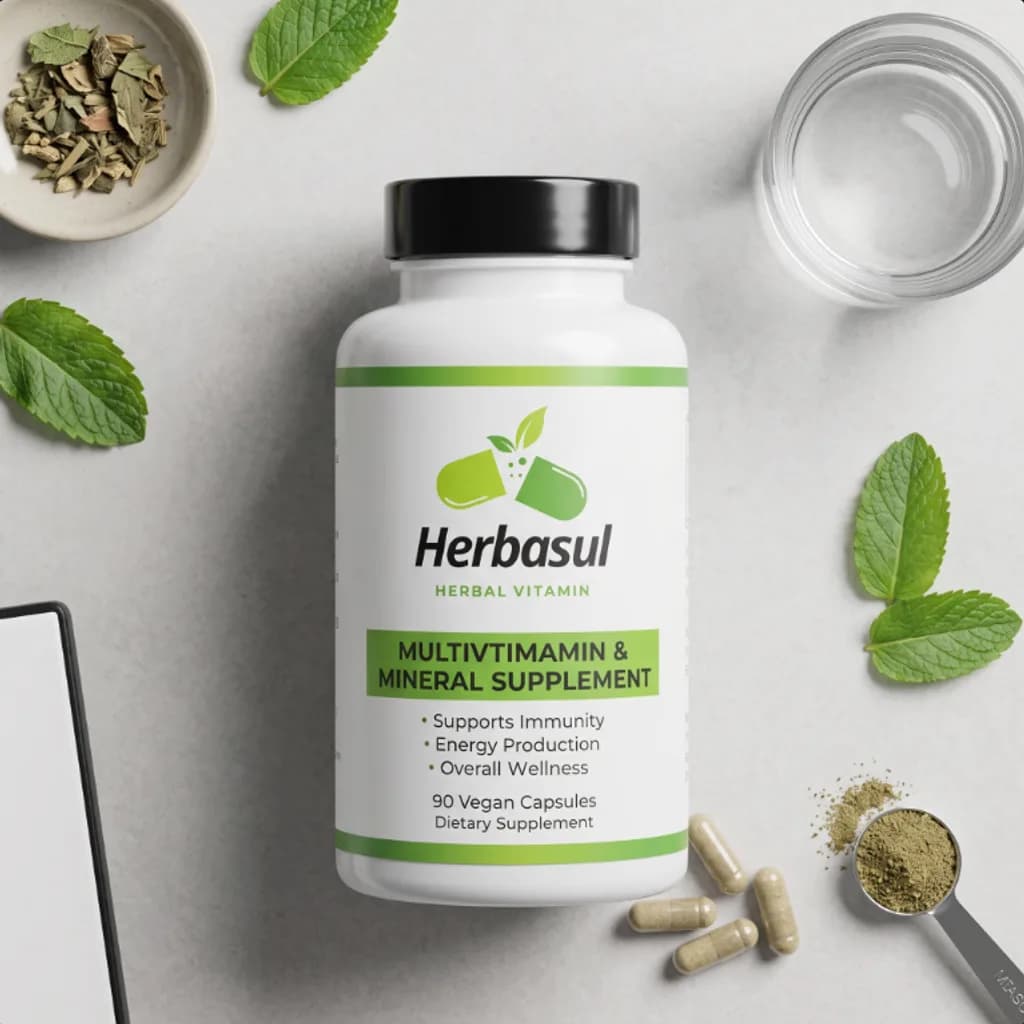
Retail Media App
Campaign creative a script can produce end to end
Everything the six modules do inside the app — creative, content, campaigns, insights, resizing, and the brand control center — is reachable as an endpoint, so your systems can carry a campaign from product link to live placement without anyone opening the interface.
- POST/v1/creative/generate
- Build every placement for an item from its product detail page link, layered and editable, with retailer specs applied during generation rather than checked afterwards.
- POST/v1/creative/resize
- Outpaint an approved creative into every remaining size for the networks you sell on, reframing instead of cropping and staying fully editable.
- GET/v1/content/keywords
- Pull live retailer keyword data, category competitors, and brand velocity so copy is written against demand that actually converts.
- POST/v1/content/copy
- Return headlines, sub-headlines, and body copy for any item, written against the keywords the same integration surfaced.
- GET · POST/v1/campaigns
- Read the state of every live campaign across networks and push a new one live, from a single platform-agnostic view.
- GET/v1/insights
- Query conversions, creative variants, and blended ROAS across the forty-plus platforms in one reporting view.



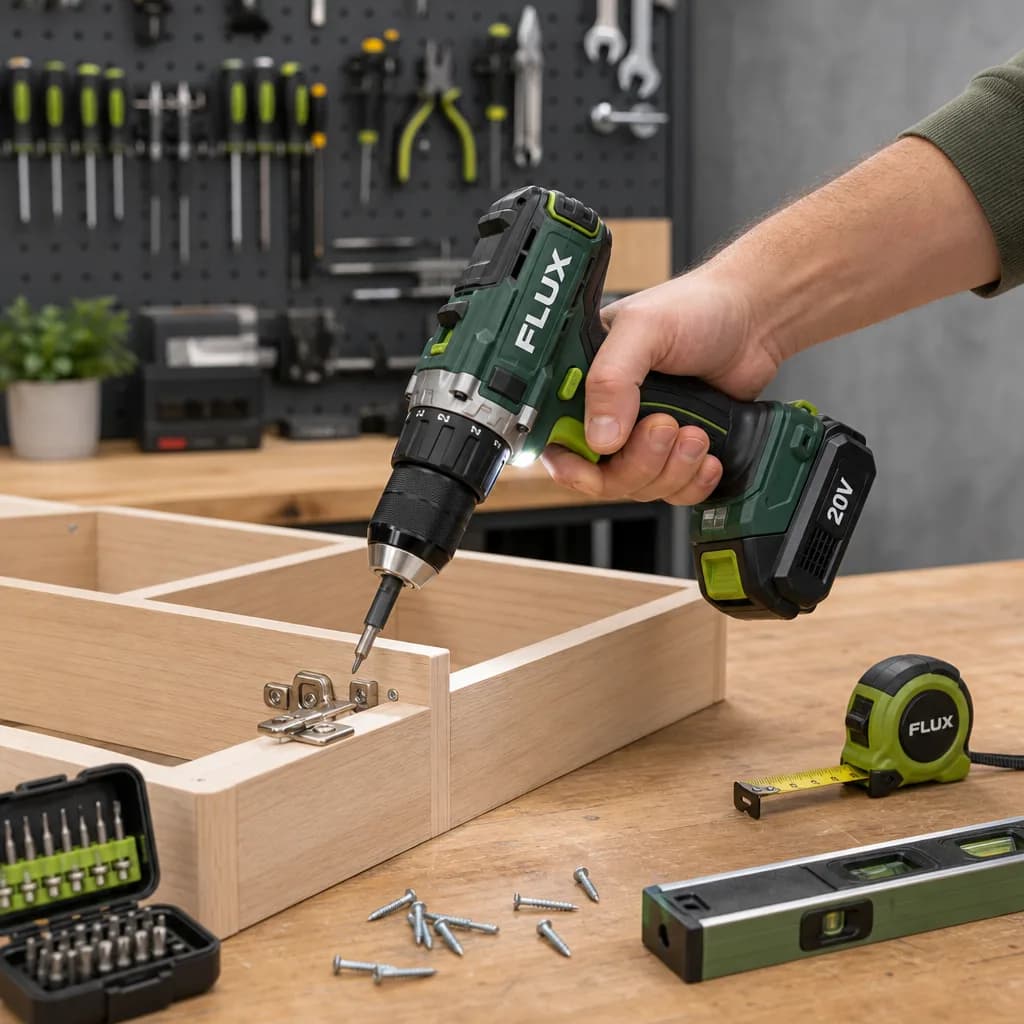

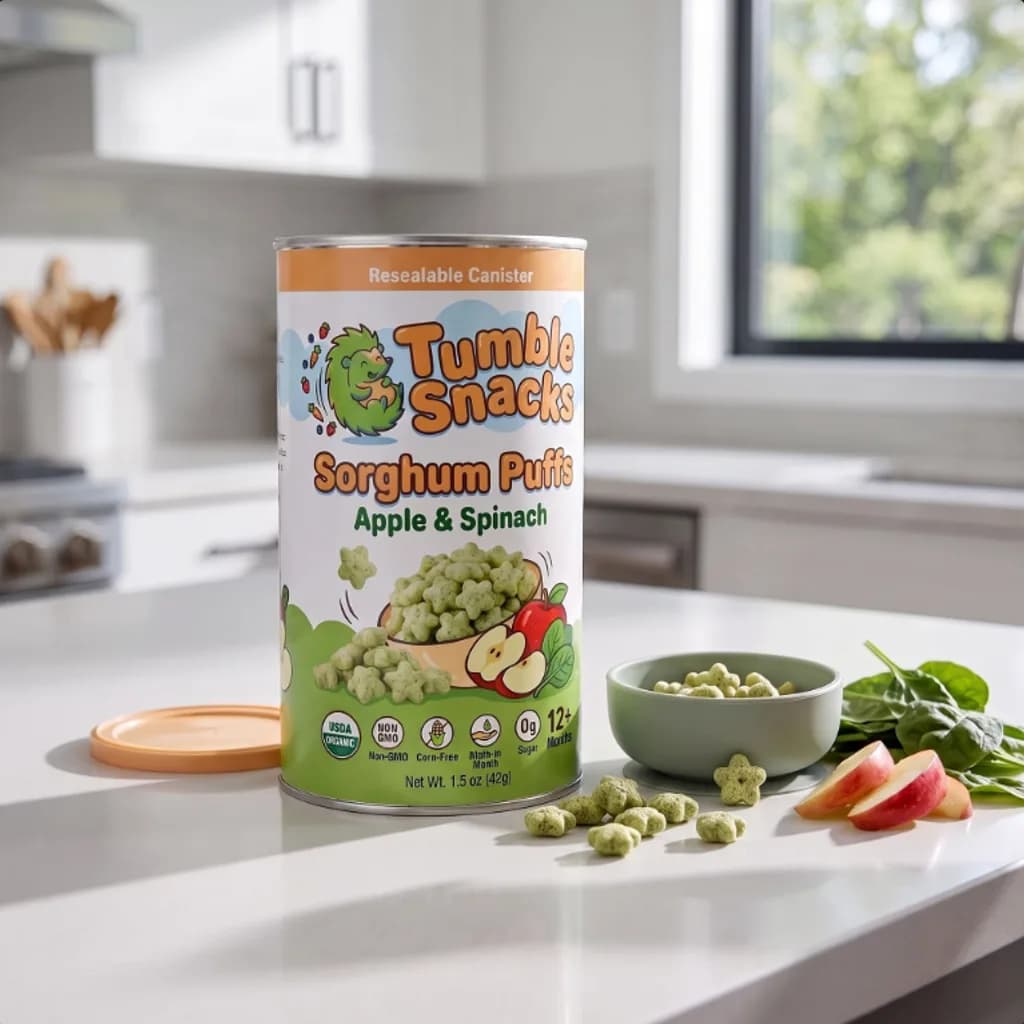
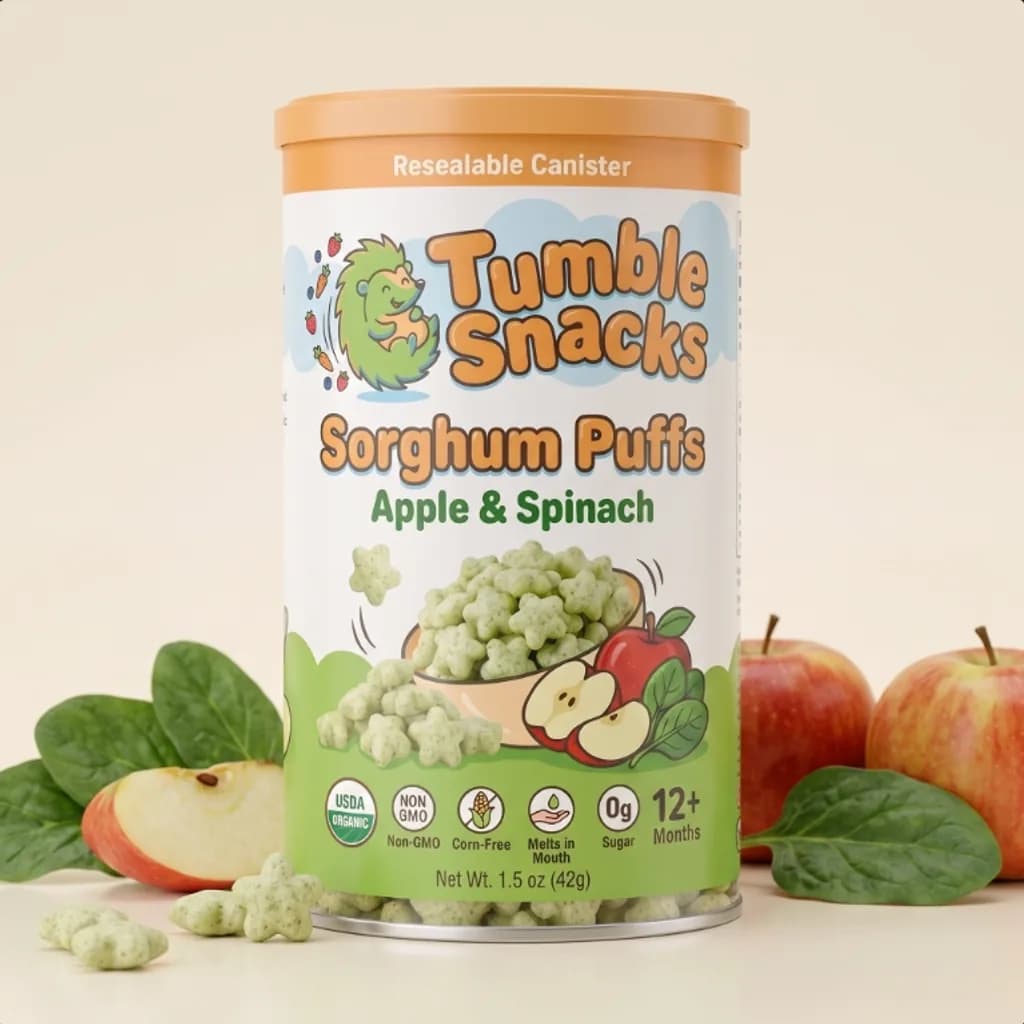
Digital Shelf App
Catalog content a pipeline can keep current
Imagery, listing content, and rich media for the whole catalog, exposed as endpoints you can call one SKU at a time or across thousands. The ad the network serves and the product page it lands on stay in step because both come from the same workspace.
- POST/v1/images/generate
- Produce a full set of layered product page imagery from a product URL: studio, lifestyle, and mobile-optimized infographics, no photoshoot involved.
- GET/v1/listings
- Search any organic listing you own across retailers and read back its current title, bullets, description, and imagery.
- PATCH/v1/listings/{id}
- Rewrite titles, descriptions, and images one SKU at a time or in bulk across hundreds, staged for approval before anything publishes.
- POST/v1/rich-media
- Publish comparison tables, 360 viewers, and before-and-after sliders onto a live product page, spec-checked on the way out.
- POST/v1/catalog/sync
- Trigger or inspect the bidirectional retailer connections that keep product data current, so every call reasons over the live catalog.
- GET/v1/shelf/health
- Score product detail pages on content completeness and return the specific gaps worth fixing next.
Long-running generation is asynchronous. Every job accepts a callback URL and emits signed webhook events, so nothing waits on an open connection.
Measured
What the connection changes
In a UI-bound workflow, someone exports product data from the PIM, files a design ticket, reformats ratios for each retail network, and uploads the results into disconnected media dashboards. The API removes every one of those handoffs.
| Operating metric | Legacy Manual Workflow | AdFury.ai API-Native Pipeline |
|---|---|---|
| Asset turnaround time | Legacy 8 to 12 weeks per production cycle, gated by design queues | AdFury.ai Under 20 minutes from POST to delivered assets |
| Creative production cost | Legacy Agency retainers and studio markups on every variation | AdFury.ai 50% to 70% lower production cost |
| Platform rejection rate | Legacy 15%+ from minor spec and legal compliance errors | AdFury.ai Under 1% network rejection rate |
| Network format support | Legacy Manual resizing against each retailer's spec sheet | AdFury.ai Automatic outpainting for 40+ networks |
| Catalog synchronization | Legacy Manual CSV and spreadsheet updates across SKUs | AdFury.ai Real-time bidirectional catalog sync |
- acceleration in asset production timelines
80%
acceleration in asset production timelines
- reduction in creative production costs
50–70%
reduction in creative production costs
- conversion lift on digital shelf product pages
39%
conversion lift on digital shelf product pages
- platform rejection rate across networks
<1%
platform rejection rate across networks
Why connect
Creative production becomes a machine-readable growth engine
Connecting an enterprise stack to an AI-native platform is not a convenience upgrade. It converts manual, interface-bound asset creation into an orchestrated data pipeline, and the operational latency that used to sit between a product update and a live ad disappears with it.
- Background extension
- Motion video
- Layered file editing
- White-label delivery
Real-time bidirectional synchronization
Change a SKU attribute, a price, or promotional messaging in your PIM and a webhook fires into AdFury. Creative regenerates against the new record, so live banners on Amazon Ads, Walmart Connect, and Instacart never drift out of sync with what is actually on the shelf.
Live
catalog parity between your system of record and every placement
Automated OmniSpec compliance and intelligent outpainting
The API doubles as a validation gateway. Assets are pre-checked against retailer display rules, logo lockups, and legal claims before deployment, while intelligent outpainting reformats a static product shot into every required ratio instead of cropping the product out of frame.
<1%
network rejection rate on assets that ship through the gateway
Headless execution for software integrators
Independent software vendors and SaaS platforms embed the creative engine behind their own interface. A single call triggers a complex generative task and the result comes back into the host application, so users never leave the product they are already in.
Unified connectivity across API and non-API retailers
Top-tier retail media networks connect through direct API connectors. The long-tail platforms with no public API are covered by auto-mapped file ingestion, normalized into the same schema, so activation and cross-network ROAS reporting stay in one place.
40+
platforms normalized into a single unified schema
Security and governance
An integration your security team can sign off on
Opening a workspace to automated software is only reasonable if the guardrails sit on the server. The controls that make the Retail Media App and Digital Shelf App safe for a team make them safe for a pipeline, because they are the same controls.
OAuth 2.0 bearer tokens over TLS 1.3
Keys are issued in the AdFury Developer Console and every stateless request is authenticated and encrypted in transit. Sandbox and production credentials are separate, so a test never touches live ad spend.
Scoped, per-brand authorization
A credential inherits one account's brands and rights, nothing wider. An integration working on one brand cannot read another's catalog, assets, or spend.
Rate limiting and circuit breaking
The gateway absorbs bursts, sheds load before it reaches compute, and returns explicit limit and retry headers rather than failing opaquely under pressure.
Schema validation at the edge
Payloads are checked against the published contract before any generation is queued, so a malformed request fails fast with an actionable error instead of burning a job.
Brand rules enforced server-side
The brand profile built from your website — logo, palette, type, voice — plus your guidelines and legal policies govern every generated asset, whether a person or a script asked for it.
Publishing stays a decision
Generation and bulk edits can be staged for human approval, so an automated pipeline can prepare a launch without being the thing that ships it.
A reviewable trail of every call
Requests are logged against the credential that made them, with a request ID on every response, so there is a record of what was generated, changed, or published.
Idempotency on write operations
Repeat a create call with the same idempotency key and you get the original result back rather than a duplicate campaign, so retries after a network failure are safe.
Response
202 Accepted · 180 msPOST /v1/creative/generate
Authorization: Bearer af_live_••••4c1d
- x-ratelimit-limit
- 600 / min
- x-ratelimit-remaining
- 574
- idempotency-key
- accepted
- x-adfury-signature
- verified
- x-request-id
- req_8f2a41c9
Webhook payloads are signed, so your listener can verify the sender
Getting connected
Four phases from sandbox key to production telemetry
Predictable schemas, an explicit authentication contract, and a transparent execution path. The integration lifecycle is the same whether you are a brand wiring up a PIM or a vendor embedding the engine in your own product.
- Key and token issuanceGenerate credentials in the AdFury Developer Console and authenticate requests with OAuth 2.0 bearer tokens over TLS 1.3.
- Sandbox and staging allocationRun synthetic requests against isolated environments, validate mock responses, and exercise error handling without touching live ad spend or production catalog data.
- PIM and DAM payload mappingMap internal fields — SKU identifiers, image URLs, category taxonomies, claim restrictions — onto the AdFury JSON schema once.
- Event-driven subscriptionsRegister webhooks so finished generation, outpainting, and spec validation push layered asset URLs straight back into your system.
- Postman collection executionImport the AdFury collection to run suites against endpoint parameters, verify response statuses, and assert payload integrity in CI.
- OmniSpec rule verificationPass synthetic creative through the middleware to confirm retailer checks — Walmart Connect dimensions, Amazon Sponsored Display claim rules — clear inside a sub-1% rejection tolerance.
- Pipeline activationDeploy event-driven triggers so assets generate automatically whenever a product is created or an existing listing is updated.
- Telemetry and monitoringTrack call latency, outpainting queue depth, and product page conversion lift through the reporting endpoints and platform dashboards.
Authentication and environment provisioning
Schema mapping and webhook integration
Automated testing and OmniSpec pre-validation
Production deployment and continuous telemetry
Further reading
Where the fundamentals are documented
AdFury follows industry-standard REST conventions rather than inventing its own. If you are evaluating the integration, these are the references that define the architecture underneath it.
API
Frequently asked questions
Wire retail production into the systems you already run
One REST connection hands your stack the Retail Media App and the Digital Shelf App, governed by the brand rules you already set.
Why AdFury
The AdFury difference
Retail expertise. Purpose-built AI for retail. Operational excellence. Customer accountability.
The Retail AI Brain
Building our AI infrastructure since Oct. 2024. Agentic App. Managed Services. Custom AI workflows. Purpose-built for retail, not adapted from generic AI.
Retail Insiders, Real Results
Built by founders who scaled retail SaaS to exit. Deep expertise in retail media networks and retail product content management. We know the problems.
Knowledge Meets AI Speed
Retail knowledge powered by fine-tuned AI. Adapt faster. Solve better. Evolve precisely. Momentum catapults results. Trust expertise.
Customer Success, Always
Specialists, not generalists. We go deep in retail for focus on growth. Proven founders. Managed services. Dedicated support. We never fail our clients.
Our Values
What drives us forward
Seven principles that decide what we build, how we test it, and who we build it with.
See what each value means in practice- See the Future
- Never Stop Researching
- Never Stop Testing
- Be the First
- Explore Relevancy
- Bring Everyone Together
- Inspire Rapid Change
Built by Retail Insiders
Proven founders. Deep retail expertise.
Founded by retail technology entrepreneurs who built and scaled WhyteSpyder to a successful exit, AdFury.ai combines decades of retail and e-commerce expertise with cutting-edge AI architecture. We don't just understand retail — we've built and scaled profitable SaaS solutions and managed services within it.
WhyteSpyder started as a digital shopper agency for Walmart in 2012, became retail ecommerce SaaS in 2019, and sold to Ascential in 2021, where the team went on to scale retail media inside Flywheel Digital. AdFury.ai followed in October 2024.
- Founded
- Oct. 2024
- Headquarters
- Rogers, AR
- Built for
- Retail only
- Team
- 14 insiders